
- People Heart & Healthcare Center
- peoplehearthealth@gmail.com
- (91) 9772365365
Coronary Artery Disease And Heart Attack?
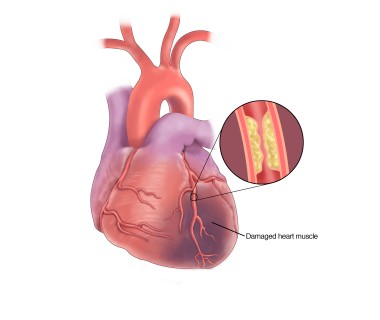
Heart's main function is to pump blood and supply oxygen and nutrition to each and every body cell. Heart muscles also needs blood and nutrition to work. The tubes that supplies blood to heart muscles are called as Coronary Arteries.
After the age of 18 Years whatever excess fat we consume, gets deposited in our body at various places at face, neck, stomach, thighs, back, and heart blood tubes and forms blockage.
The problem starts when blockage deposition occurs in heart arteries. After 60-70% of heart blockage we start feeling chest pain, heaviness, chest tightness, shoulder pain radiates to hands, jaw pain, back pain, uneasiness, dizziness, headache, sweating etc. these all symptoms collectively called as "Angina" and this disease is called as "Coronary Artery Disease" CAD or "Coronary Heart Disease" CHD.
Many times it happens that persons with prolonged history of diabetes may feel lees symptoms or may not feel any symptoms of coronary artery disease.
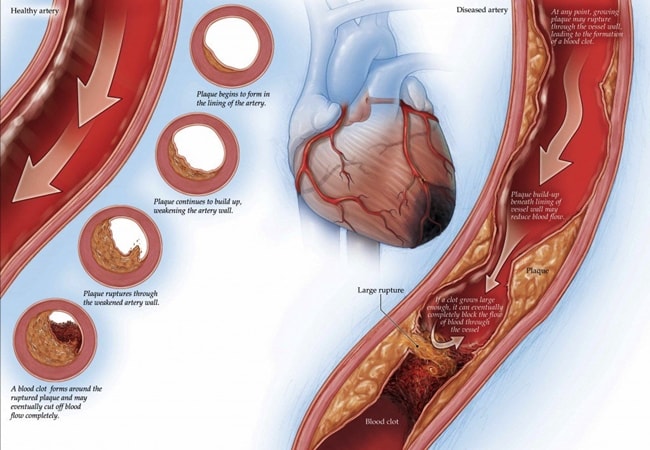
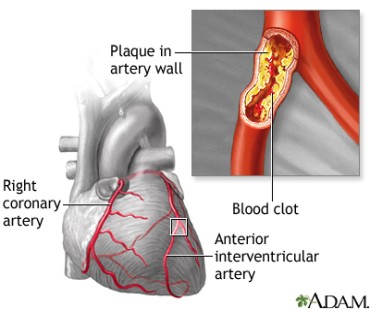
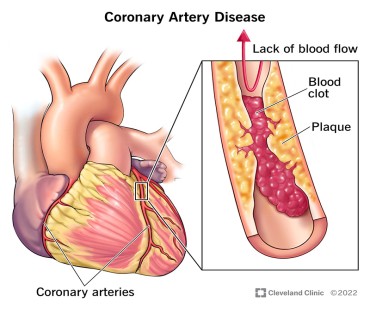
Heart blockage deposition starts from the inner wall of coronary artery. Blockage is covered by a membrane. It is called endothelial membrane. This membrane is elastic in nature. As the blockages increases this membrane starts stretching. After 60-70% of blockage this membrane may burst at any time. When the membrane burst, blockage comes in contact with blood and forms clot and becomes 100%. The bursting of this membrane is called as "Heart-Attack" or Myocardial Infraction" or Atherosclerosis.
The capacity if this endothelial membrane varies from person to person. It may burst in a 60-70% of blockage in a person and it may not burst till 90-95% of heart blockage in another person.
Understanding Coronary Artery Disease (CAD) in Detail
Coronary Artery Disease (CAD), also known as Coronary Heart Disease, is one of the most common causes of heart attack worldwide. It develops slowly over years due to plaque buildup inside the coronary arteries, a condition medically known as atherosclerosis. This reduced blood flow limits oxygen supply to the heart muscle and increases the risk of life-threatening cardiac events.
Common Risk Factors for Coronary Artery Disease
Several Lifestyle and Medical Factors Increase The Risk of Coronary Artery Blockage, including:
- High Cholesterol Levels
- Diabetes Mellitus (especially long-term diabetes)
- High Blood Pressure (hypertension)
- Smoking and Tobacco Consumption
- Obesity and Overweight
- Sedentary Lifestyle
- Stress and Unhealthy Eating Habits
- Family History of Heart Disease
People with diabetes often experience Silent Heart Disease, meaning coronary artery disease with little or no warning symptoms.
Early Symptoms of Heart Blockage You Should Not Ignore
Identifying symptoms early can help prevent a heart attack. Common early warning signs of coronary artery disease include:
- Chest pain or pressure during exertion
- Breathlessness while walking or climbing stairs
- Fatigue without reason
- Pain radiating to the left arm, neck, jaw, or back
- Sweating, nausea, or light-headedness
These symptoms may worsen with physical activity or emotional stress and are often relieved with rest in early stages.
Difference Between Angina and Heart Attack
Angina
- Temporary reduced blood flow
- Pain comes and goes
- Relieved by rest or medication
- No permanent damage
Heart Attack
- Complete blockage of artery
- Severe, continuous pain
- Medical emergency
- Permanent heart muscle damage
Angina is a warning sign. Ignoring it can result in a myocardial infarction (heart attack).
How Coronary Artery Blockage Is Diagnosed
Doctors use multiple tests to diagnose coronary heart disease accurately:
- ECG (Electrocardiogram)
- Echocardiography (2D Echo)
- Treadmill Test (TMT)
- CT Coronary Angiography
- Coronary Angiography (Gold Standard)
Early diagnosis plays a key role in preventing heart attacks and reducing complications.
Effective Treatment Options for Coronary Artery Disease
Treatment of coronary artery disease depends on the severity of blockage and symptoms.
Lifestyle Modification
- Heart-healthy diet
- Regular exercise
- Weight management
- Stress reduction techniques
Medications
- Blood thinners
- Cholesterol-lowering drugs (statins)
- Blood pressure control medicines
- Anti-anginal drugs
Advanced Non-Invasive Therapy
- EECP Treatment (Enhanced External Counter Pulsation) – improves blood flow naturally without surgery
Interventional & Surgical Treatments
- Angioplasty with stent placement
- Coronary artery bypass grafting (CABG)
Preventing Coronary Artery Disease Naturally
Preventing heart blockage is possible with consistent care:
- Maintain healthy cholesterol and sugar levels
- Quit smoking completely
- Follow a low-fat, high-fiber diet
- Get regular heart checkups after age 35
- Manage stress and sleep adequately
Prevention is always better than emergency heart attack treatment.
When to Consult a Heart Specialist
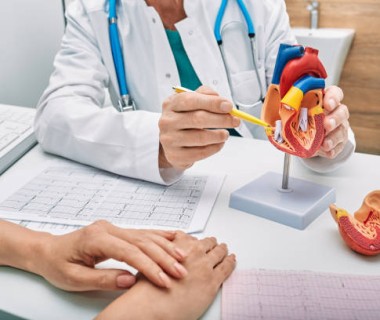
Immediate medical attention is required if you experience:
- Severe chest pain lasting more than 15 minutes
- Sudden Breathlessness
- Fainting or Collapse
- Persistent sweating with chest discomfort
Early consultation with a heart specialist can save life and prevent permanent heart damage.
Your Heart Deserves Expert Care
Early detection saves lives. Get evaluated by cardiac specialists at People Heart. Contact Now or Book an Appointment Today.