- People Heart & Healthcare Center
- peoplehearthealth@gmail.com
- (91) 9772365365
Risk Factor

- High Cholesterol
- High Triglycerides
- Low HDL Cholesterol
- Cholesterol : HDL (c)
- LDL Cholesterol
- VLDL Cholesterol
- High BP
- High Blood sugar
- Smoking
- Lack of exercise
- Overweight
- Low fiber
- Low antioxidants
- Type A behavior Stress
List of Risk Factors
| Causative Factors | Usual-Cardiology Recommendation | People Heart Recommendation |
|---|---|---|
| Serum Cholesterol | 130 – 200 mg/dl | Less than 130mg/dl |
| Serum Triglycerides | 60 – 160 mg/dl | Less than 100 mg/ dl |
| Serum HDL Cholesterol | 30 – 60 mg/dl | More than 40 mg/dl |
| Cholesterol: HDL | 4 – 5 | Below-4 |
| Serum LDL Cholesterol | 30 – 130 mg/dl | Less than 70 mg / dl |
| Blood Pressure (systolic) | 120 – 140 mmHg | 120 mmHg or less |
| Blood Pressure (diastolic) | 70 – 90 mmHg | 80 mmHg or less |
| Blood Glucose (Fasting) | 80 – 110 mg/dl | 70-100 mgs % |
| Blood Glucose (PP) | 120 – 160 mg/dl | Less than 140 mgs % |
| Smoking/Tobacco | To be reduced | Banned |
| Exercise/Walk | Should be done | Must do, at least one hour |
| Weight | 20 – 30% extra (from any chart) | Only 2 – 3 Kg extra allowed permitted from Indian Chart |
| Fiber intake | Not specified | Plenty everyday |
| Stress | Not defined, Not available | Clearly defined, optimal |
| Total fat intake | 10 – 30% Calories | 10% of total Calories |
| Visible-fat intake | PUFA, MUFA etc. | Banned |
| Cholesterol intake/day | Not defined | 10 mg/day |
Major Risk Factors for Heart Disease You Must Know
Heart disease does not develop overnight. It is usually the result of multiple risk factors acting together over time. Understanding these Risk Factors for Heart Disease is the first step toward prevention and long-term heart health.
1. High Cholesterol Levels
High cholesterol is one of the leading causes of Coronary Artery Disease. Excess LDL (bad cholesterol) gets deposited on the inner walls of arteries, leading to plaque formation and narrowing of blood vessels.
Why it’s Dangerous:
- Reduces blood flow to the heart
- Increases risk of heart blockage
- Major contributor to heart attack and stroke
2. High Blood Pressure (Hypertension)
Uncontrolled blood pressure puts constant strain on the heart and arteries. Over time, this damage accelerates Atherosclerosis and increases the risk of heart attack, heart failure, and kidney disease.
Warning signs:
- Often no early symptoms
- Known as the “silent killer”
3. Diabetes Mellitus
People with diabetes are at a much higher risk of developing Silent Heart Disease. Persistently high blood sugar damages blood vessels and nerves that control the heart.
Important to know:
- Diabetes can mask heart attack symptoms
- Even mild blockages can be dangerous
- Diabetics are prone to sudden cardiac events
4. Smoking and Tobacco Use
Smoking is one of the most preventable yet dangerous risk factors for heart disease. Tobacco damages artery walls, lowers oxygen levels in blood, and speeds up plaque buildup.
Effects of smoking on heart:
- Increased clot formation
- Narrowing of coronary arteries
- Higher risk of sudden heart attack
5. Obesity and Overweight
Excess body weight increases strain on the heart and is closely linked to diabetes, cholesterol disorders, and high blood pressure.
Why it’s dangerous:
- Increased heart workload
- Higher risk of metabolic syndrome
- Reduced physical stamina
6. Sedentary Lifestyle and Physical Inactivity
Lack of physical activity slows metabolism and promotes fat accumulation in blood vessels. A sedentary lifestyle significantly increases the risk of heart blockage.
Benefits of regular exercise:
- Improves circulation
- Controls weight and sugar
- Strengthens heart muscle
7. Unhealthy Diet and Excess Fat Intake
Diet rich in saturated fats, trans fats, sugar, and processed foods leads to cholesterol deposition in arteries.
Foods that increase heart risk:
- Fried foods
- Bakery and packaged items
- Sugary beverages
8. Stress and Mental Health Factors
Chronic stress raises blood pressure and heart rate, triggering hormonal imbalances that damage the heart.
How stress affects the heart:
- Raises BP and cholesterol
- Encourages smoking and overeating
- Triggers heart attacks in high-risk individuals
9. Age and Family History
A family history of heart disease increases genetic susceptibility.
While heart disease can occur at any age, risk increases after:
- Age 35 in men
- Point two
- Age 45 in women
How to Reduce Your Heart Disease Risk
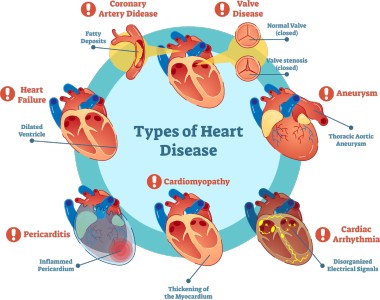
Most heart disease risk factors are Preventable and Controllable with timely intervention:
- Regular heart checkups
- Control sugar, BP, and cholesterol
- Quit smoking completely
- Maintain healthy weight
- Follow a heart-healthy lifestyle
Early prevention can significantly reduce the risk of heart attack and sudden cardiac arrest.
Why Early Risk Assessment Matters
Identifying risk factors early helps:
- Prevent coronary artery disease
- Avoid emergency heart attacks
- Improve long-term survival
- Reduce dependency on surgeries
At People Heart, risk assessment and preventive cardiology play a vital role in long-term heart care.